

Home Fire Safety: Five Appliances That Do Not Belong on Power Strips |
Practical electrical safety steps for Central Arkansas seniors and families as cooler weather approaches |
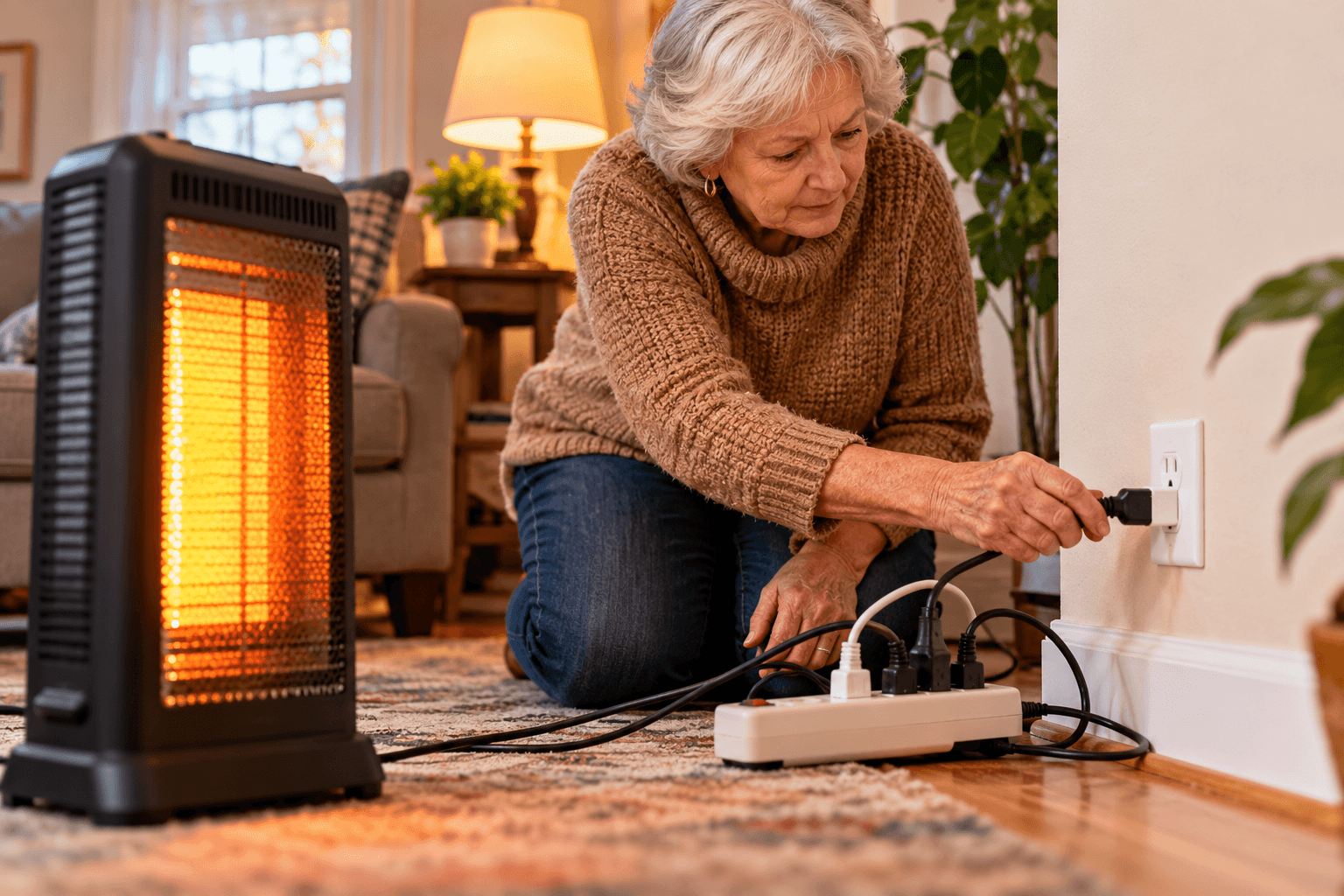
A power strip can be useful for low-power electronics, but it should not be treated as a substitute for a properly installed wall outlet. High-demand appliances can overload a strip, creating excess heat and increasing the risk of a fire.
A recent consumer-safety feature highlighted five types of appliances that need particular attention. The advice is valuable for Central Arkansas seniors, caregivers and anyone preparing a home for cooler weather.
1. Portable space heaters
Plug portable electric heaters directly into an appropriate wall outlet, not a power strip or extension cord. Keep them at least three feet from bedding, curtains, furniture and anything else that can burn. Turn them off before going to sleep or leaving the room.
2. Air fryers
These compact kitchen appliances use powerful heating elements. Follow the manufacturer's electrical instructions and do not assume a crowded countertop strip can safely support the load. Use a suitable wall outlet when directed.
3. Microwave ovens
A microwave draws significant power while running. Follow manufacturer instructions for an appropriately rated outlet. A power strip is not a safe substitute for an adequate kitchen electrical installation.
4. Refrigerators and freezers
These appliances run for long periods and their compressors increase electrical demand when cycling on. Connect them according to the manufacturer and electrical-code requirements rather than treating power strips as permanent wiring.
5. Portable air conditioners
Portable cooling units can place substantial demand on an electrical circuit. Follow the appliance instructions and use a properly rated outlet, not an improvised string of extension cords or power strips.
Check the strip itself
Never connect one power strip to another, a practice often called daisy chaining. Discard strips that are damaged, discolored, cracked or unusually warm. Avoid using a strip as a permanent replacement for more outlets.
Warning signs of electrical problems include frequent breaker trips, flickering lights, buzzing or crackling sounds, hot plugs or outlets and burning odors. Stop using suspect equipment and arrange for an inspection by a qualified electrician.
Make safety easier for older adults
Avoid running cords across walking paths, beneath rugs or behind furniture where they could be damaged or cause falls. Keep outlets accessible without stretching or bending awkwardly.
If the home lacks enough outlets for everyday needs, consider asking a licensed electrician about safe additional outlets and circuit capacity.
The National Fire Protection Association and U.S. Consumer Product Safety Commission provide further electrical and heating-safety guidance. In an emergency involving fire or smoke, leave the building and call 911.
These small checks can reduce avoidable risks and help make the home safer for residents and visitors alike. |
0 Comments
Join the conversation
Be the first to comment
Share your thoughts above.