

Little Rock Data Center Moratorium Heads to City Board |
Proposed six-month pause would bring scrutiny to water, noise, infrastructure and zoning impacts |
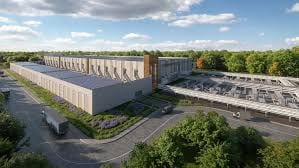
Little Rock leaders are preparing to consider a temporary pause on permits and approvals for hyperscale data centers, a proposal that puts the city's growth strategy under a new spotlight.
The October 20 City Board agenda lists an ordinance proposing a six-month moratorium for this particular category of large data facility.
The proposed ordinance is not a final decision, and residents should distinguish an item scheduled for consideration from an enacted city rule.
Director Webb is identified as the sponsor of the measure on the city's published agenda.
The measure would require municipal impact studies and public disclosures addressing water supply, wastewater, noise, emergency infrastructure, zoning rules and monitoring practices.
Those subjects matter because an industrial-scale computing facility can raise practical questions that extend beyond the property where it is built.
Nearby residents may want to understand how noise will be managed, how much water a facility could use and whether city services can accommodate its operations.
Business leaders may also focus on potential investment and jobs, along with the predictability of the approval process.
The central question is how to assess the public costs and benefits before commitments become difficult to reverse.
The draft also refers to an administrative relief procedure, indicating that the proposed restrictions may include a process for seeking exceptions.
Specific eligibility and approval details should be evaluated from the ordinance text and the board's deliberations rather than assumed in advance.
Importantly, the proposal applies to hyperscale data centers, rather than automatically placing every server room or technology business under the same restriction.
That distinction will matter to residents following discussions about future business development in Central Arkansas.
The city board's consideration comes as communities nationwide weigh the demands of large computing facilities against local infrastructure capacity.
Little Rock's debate will likely turn on whether additional study can provide more certainty for neighborhoods, utilities, emergency services and developers.
For now, this is a proposal awaiting consideration, not an announcement that a moratorium has taken effect.
Residents interested in the outcome can follow the October 20 board meeting and review the final ordinance language and any recorded vote.
For 501 Daily readers, the lasting issue is less about the technology itself than how major development decisions are made and explained to the public.
Clear public information about service capacity, location and environmental effects can help the community evaluate future proposals on their merits. |
0 Comments
Join the conversation
Be the first to comment
Share your thoughts above.